Ensure hoodie quality with pre-shipment checks. Request a quote within 24 hours! Quality Control for Hoodies: Pre-Shipment Inspection Stan...
Ensure hoodie quality with pre-shipment checks. Request a quote within 24 hours!
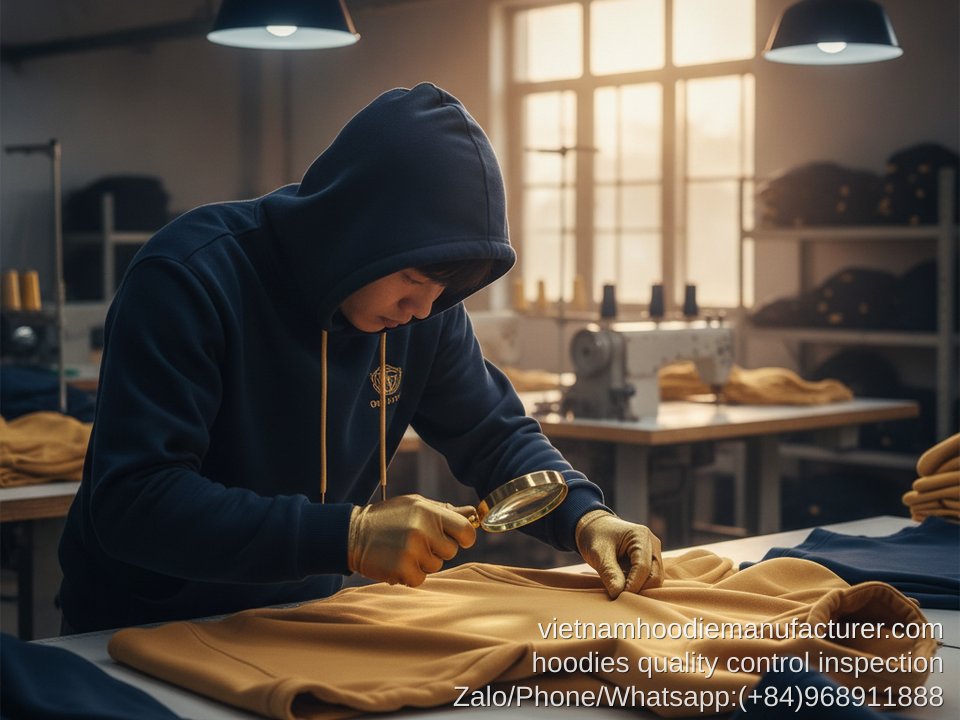
Quality Control for Hoodies: Pre-Shipment Inspection Standards
For brands and retailers prioritizing consistent product quality, understanding and implementing robust hoodies quality control inspection protocols is paramount. When sourcing custom hoodies in bulk, particularly from overseas manufacturers, a comprehensive pre-shipment inspection acts as the final gatekeeper, ensuring that every garment meets your exacting standards before it leaves the factory. This process minimizes the risk of receiving defective products, reduces costly returns, and ultimately protects your brand's reputation.
At Vietnam Hoodie Manufacturer, operated by Gold Garment, we recognize the critical importance of quality assurance. Our commitment extends beyond mere production; we aim to provide sourcing managers and brand owners with the confidence that their orders are meticulously checked. This article delves into the essential elements of hoodies quality control inspection, focusing on pre-shipment checks that guarantee your custom hoodies are manufactured to the highest hoodies quality standard.
Establishing clear quality benchmarks from the outset is crucial. This involves defining acceptable quality limits (AQL) for various defects. A well-defined AQL plan ensures that inspections are objective and that a statistically significant sample of the production run is examined. This systematic approach is a cornerstone of effective hoodies quality control inspection, preventing minor issues from escalating into major problems. Understanding the nuances of garment quality control Vietnam is key to building a reliable supply chain.
Why Pre-Shipment Inspection is Crucial for Hoodies
A pre-shipment inspection (PSI) is a vital step in the international sourcing process. It's a final quality check performed by an independent inspector or the buyer's representative just before the goods are shipped. For custom hoodies, this inspection verifies that the finished products align with the agreed-upon specifications, including design, materials, workmanship, and packaging.
Without a thorough PSI, brands risk accepting shipments with defects that might not be apparent until after delivery, leading to customer dissatisfaction and financial losses. This is especially true for custom apparel where unique designs and materials are involved. A proactive pre-shipment check hoodies process safeguards your investment and ensures customer satisfaction.
The benefits of a well-executed PSI are numerous:
- Ensures Product Compliance: Verifies that the hoodies meet all specified requirements, from fabric composition to labeling.
- Reduces Risk of Defects: Identifies and flags any manufacturing flaws or quality issues before shipment.
- Protects Brand Reputation: Guarantees that only high-quality products reach your customers, reinforcing brand trust.
- Minimizes Returns and Losses: Prevents costly returns and the associated logistical and financial burdens.
- Confirms Order Accuracy: Checks that the correct quantity and style of hoodies are being shipped.
Key Areas Covered in a Hoodie Pre-Shipment Inspection
A comprehensive pre-shipment inspection for hoodies covers a wide range of quality parameters. While specific requirements may vary based on buyer needs and product complexity, most inspections will focus on the following critical areas:
1. Visual Inspection and Workmanship
This is often the first step, where an inspector visually examines a sample of the hoodies for overall appearance and any obvious flaws. This includes checking for:
- Stitching: Uniformity, strength, and absence of skipped stitches, loose threads, or broken seams.
- Fabric Defects: Holes, tears, stains, discoloration, pilling, or uneven texture.
- Color Consistency: Ensuring the color matches the approved sample and is consistent across all units.
- Overall Presentation: A clean and well-finished appearance, free from dirt or debris.
2. Measurement and Sizing Accuracy
Accurate sizing is crucial for customer satisfaction. Inspectors will measure key dimensions of the hoodies against the approved size chart. Common measurements include:
- Chest width
- Body length
- Sleeve length
- Shoulder width
- Hood circumference
Deviations from the specified tolerances are noted and assessed. This ensures that your customers receive hoodies that fit as expected, aligning with your brand's sizing consistency. For detailed insights into various hoodie styles and their typical measurements, refer to our Hoodie Styles Guide.
3. Fabric and Material Quality
The quality of the fabric and other materials directly impacts the feel, durability, and overall value of the hoodie. Inspections here focus on:
- Fabric Composition: Verifying that the fabric meets the specified blend (e.g., cotton, polyester, blends).
- Fabric Weight (GSM): Ensuring it matches the specified grams per square meter, which affects warmth and drape.
- Hand Feel: Assessing the softness and texture of the fabric.
- Dyeing and Finishing: Checking for colorfastness and any issues with the finishing process.
Understanding the different types of fabrics and their properties is essential for selecting the right materials for your custom hoodies. Our Hoodies Fabric Guide provides in-depth information on this topic.
4. Trims and Accessories
Trims, such as zippers, drawstrings, buttons, and labels, are often overlooked but play a significant role in the overall quality and functionality of a hoodie. The inspection checks:
- Zippers: Smooth operation, correct color, and secure attachment.
- Drawstrings: Proper length, color, and secure insertion into the hood.
- Labels: Correct placement, print quality, and accurate information (e.g., care instructions, size, brand logo).
- Embroidery/Printing: Quality of the artwork, color accuracy, and absence of defects like loose threads or smudges.
The quality of these components contributes significantly to the perceived value and user experience of the hoodie. Ensuring these elements meet hoodies quality standard is vital.
5. Functionality and Fit
Beyond static checks, inspectors may assess the functionality of the hoodie. This includes:
- Zipper Functionality: Ensuring zippers open and close smoothly without snagging.
- Pocket Integrity: Checking that pockets are securely attached and well-constructed.
- Hood Fit: Assessing how the hood sits and covers the head.
This functional assessment ensures that the hoodie is not only aesthetically pleasing but also practical and comfortable to wear.
6. Packaging and Labeling
Correct packaging and labeling are essential for efficient inventory management and retail presentation. The inspection verifies:
- Individual Packaging: Correct polybags, tags, and any protective wrapping.
- Carton Packing: Proper carton size, weight, labeling (including shipping marks), and internal arrangement.
- Compliance with Shipping Requirements: Ensuring all labels and markings meet the destination country's import regulations.
This aspect of the pre-shipment check hoodies ensures that your products arrive in a condition ready for distribution or sale.
Implementing an Effective Hoodie Quality Control Inspection Plan
To ensure consistent quality, a well-defined inspection plan is necessary. This plan should be developed in collaboration with your manufacturer and should clearly outline all inspection points and acceptable tolerances. A common framework for this is the Acceptable Quality Limit (AQL) system.
The Role of AQL in Hoodie Inspections
The Acceptable Quality Limit (AQL) is a standard used in quality control for determining the acceptable number of defects in a production lot. It's a statistical method that allows for inspection of a sample rather than every single unit, making the process efficient. For a hoodie AQL inspection, a specific AQL level (e.g., AQL 2.5 for major defects, AQL 4.0 for minor defects) is chosen based on the buyer's risk tolerance and product criticality.
An AQL plan typically defines:
- Sample Size: How many units will be inspected from a given lot size.
- Acceptance Criteria: The maximum number of acceptable defects (major and minor) for the sample size.
- Rejection Criteria: If the number of defects exceeds the acceptance criteria, the entire lot is rejected.
This systematic approach provides an objective basis for accepting or rejecting a batch of hoodies, ensuring that the overall quality meets the desired hoodies quality standard.
Working with Your Manufacturer
Transparency and clear communication with your manufacturer are key to a successful quality control process. At Vietnam Hoodie Manufacturer, we encourage our clients to provide detailed quality specifications and to actively participate in the quality assurance process. We understand that every brand has unique requirements, and we are equipped to meet them.
Our factory in Ho Chi Minh City, Vietnam, adheres to stringent internal quality control measures throughout the production cycle. This includes fabric inspection upon arrival, in-line checks during sewing, and a final internal quality audit before any external inspection. This multi-stage approach is demonstrated by the comprehensive quality management systems employed by our parent company, as detailed in their commitment to garment quality control Vietnam.
For brands seeking a reliable partner, a real example of successful collaboration can be seen with the Vietnam hoodie factory Gold Garment, which has consistently delivered high-quality custom apparel for diverse international clients.
Choosing an Inspection Company
While some buyers may conduct their own pre-shipment inspections, many opt to hire third-party inspection agencies. These agencies offer professional, unbiased assessments and can provide detailed reports. When selecting an agency, consider their experience with apparel, their understanding of AQL standards, and their ability to conduct inspections at your manufacturer's facility.
When to Conduct the Pre-Shipment Inspection
The timing of the pre-shipment inspection is critical. Ideally, it should be conducted when at least 80% of the production is complete and at least 80% of the goods are packed. This ensures that the inspection reflects the overall quality of the entire production run.
Conducting the inspection too early might mean that remaining production issues are not captured. Conversely, inspecting too late, after the goods have already been loaded onto a ship, makes it difficult and costly to address any identified problems. A timely pre-shipment check hoodies is crucial for effective intervention.
Frequently Asked Questions
Q: What is the difference between an in-line inspection and a pre-shipment inspection?
A: An in-line inspection occurs during the production process, checking quality at various stages of manufacturing (e.g., after cutting, sewing, printing). A pre-shipment inspection, on the other hand, is a final check conducted on finished goods just before they are shipped. The pre-shipment inspection is the last opportunity to catch issues before the product leaves the factory.
Q: How many units should be inspected during a hoodie AQL inspection?
A: The number of units to be inspected depends on the total production quantity and the chosen AQL level. Standard AQL tables, such as those based on ISO 2859-1, provide specific sample sizes corresponding to lot sizes and inspection levels. For example, a lot of 1,000 hoodies might require inspecting a sample of 80 units under General Inspection Level II.
Q: What happens if a pre-shipment inspection fails?
A: If a pre-shipment inspection fails to meet the agreed-upon quality standards, the buyer has several options. These typically include requesting the manufacturer to rework or re-inspect the defective units, rejecting the entire batch for a full refund or replacement, or negotiating a price reduction for the acceptable but flawed goods. The specific course of action is usually outlined in the purchase contract.
Q: Can I customize the pre-shipment inspection checklist?
A: Absolutely. The pre-shipment inspection checklist should be tailored to your specific product and brand requirements. You can work with your inspection agency or directly with your manufacturer to include all critical quality parameters, such as specific fabric tests, unique design elements, or particular functional checks relevant to your custom hoodies. Brands often partner with custom cap manufacturer Vietnam for complementary headwear, and similar attention to detail should be applied to all custom product inspections.
Implementing a thorough pre-shipment inspection process is an indispensable part of ensuring the quality and consistency of your custom hoodie orders. By focusing on key areas and working collaboratively with your manufacturing partner, you can safeguard your brand's reputation and deliver exceptional products to your customers.
Trust Vietnam Hoodie Manufacturer, powered by Gold Garment, for your next bulk hoodie order and experience the peace of mind that comes with our unwavering commitment to quality. We are dedicated to meeting your exact specifications and exceeding your expectations through meticulous production and rigorous quality control.
📩 Request a Free Quote — Response Within 5 Minutes
🌎 Website: vietnamhoodiemanufacturer.com
Factory-direct pricing · MOQ from 100 pcs/style · Sample development · Worldwide shipping


