Discover how custom hoodies are crafted for quality & comfort. Request a quote within 24 hours! How Hoodies Are Made: Complete Manufac...
Discover how custom hoodies are crafted for quality & comfort. Request a quote within 24 hours!
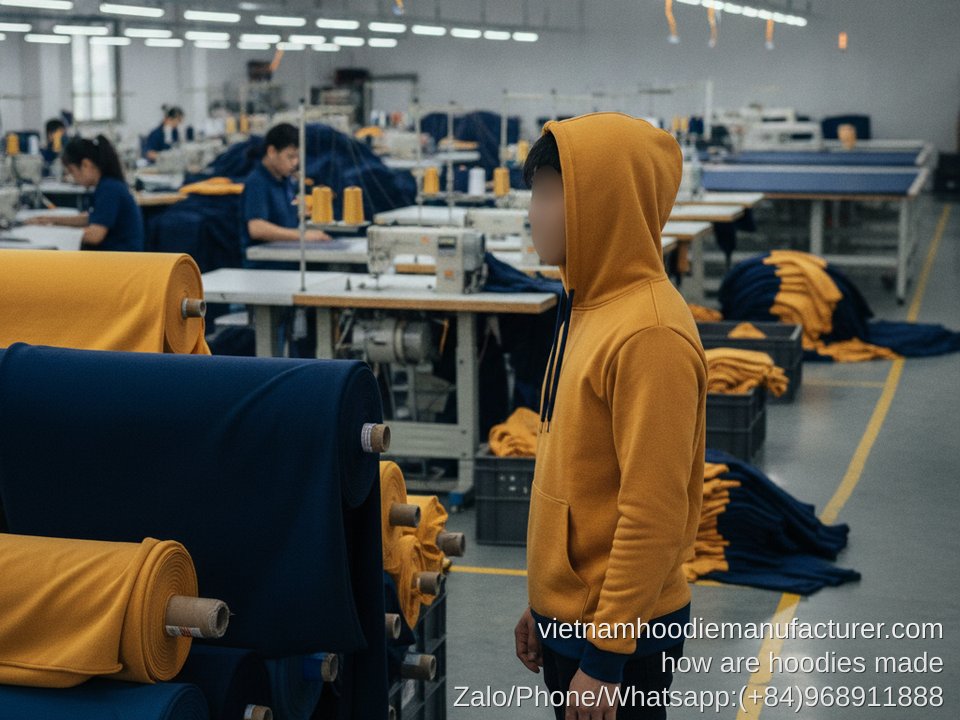
How Hoodies Are Made: Complete Manufacturing Process Step-by-Step
For brands and businesses looking to source high-quality apparel, understanding the intricacies of manufacturing is paramount. Hoodies, a staple in casual and streetwear fashion, involve a detailed production journey from raw materials to finished garments. If you've ever wondered how hoodies are made, this comprehensive guide will walk you through each essential step. We'll demystify the hoodie production process, from initial design to the final quality check, providing insights valuable for first-time buyers and seasoned sourcing managers alike.
At Vietnam Hoodie Manufacturer, operated by Gold Garment based in Ho Chi Minh City, we pride ourselves on transparency and quality. Our expertise in bulk hoodie production, with a minimum order quantity (MOQ) of just 100 pieces and factory-direct pricing, ensures you receive exceptional value. This article aims to provide a clear overview of the manufacturing stages, helping you make informed decisions when partnering with a reliable sweatshirt factory Vietnam.
The journey of a hoodie begins long before it reaches your customers. It's a collaborative effort involving design, material selection, and meticulous production techniques. Understanding each phase ensures you can communicate your needs effectively and receive a product that meets your brand's standards. For a deeper dive into the specifics of creating your own branded hoodies, explore our detailed guide on hoodies: Complete OEM & Private Label Manufacturing Buyer's Guide.
1. Design and Pattern Making
The creation of any garment starts with a vision. For hoodies, this involves conceptualizing the style, fit, features, and aesthetic. Designers translate these ideas into detailed sketches and technical drawings, specifying measurements, stitch types, and fabric placements. This phase is crucial for defining the final look and feel of the hoodie.
Once the design is finalized, skilled pattern makers translate these specifications into precise patterns. These patterns act as templates for cutting the fabric. They are meticulously crafted to ensure accurate sizing, proportions, and the overall silhouette of the hoodie, taking into account factors like seam allowances and ease of movement.
2. Fabric Selection and Sourcing
The choice of fabric significantly impacts the comfort, durability, and appearance of a hoodie. Cotton, polyester, and blends are the most common materials. Fleece manufacturing steps often begin with selecting the right blend for warmth and softness. For instance, a high-cotton blend offers breathability and a soft feel, while polyester blends enhance durability and wrinkle resistance.
At Gold Garment, we work with a wide array of fabric options to meet diverse client needs. Whether you require a lightweight jersey for warmer climates or a heavy-duty fleece for ultimate warmth, our sourcing team can procure the best materials. This careful selection is a foundational element in the overall hoodie production process.
3. Fabric Cutting
With the patterns finalized and fabric sourced, the next step is cutting. This is a critical stage where precision is paramount. Fabric is typically laid out in multiple layers to maximize efficiency, especially for large production runs. Automated cutting machines, guided by digital patterns, ensure exactness and consistency across all pieces.
For smaller runs or intricate designs, manual cutting by experienced technicians may be employed. The accuracy of the cutting process directly influences the final fit and quality of the assembled garment. This meticulous attention to detail is a hallmark of professional manufacturing, as shown by Gold Garment hoodie production.
4. Sewing and Assembly
This is where the individual fabric pieces come together to form the hoodie. Skilled sewing machine operators use specialized equipment to stitch the various components, including the body, sleeves, hood, and pockets. Different types of stitches are used for strength and aesthetic appeal, such as overlock stitches for seams and cover stitches for hemming.
The assembly process is sequential, starting with attaching the sleeves to the body, followed by the hood. Pockets are often attached before the main body seams are closed. Quality control checks are integrated throughout this stage to ensure seams are straight, strong, and free from defects. Attention to detail in stitching is vital for the longevity of the garment.
5. Adding Features and Embellishments
Once the basic hoodie structure is assembled, various features and embellishments are added. This includes attaching drawstrings to the hood, sewing on zippers or snaps if it's a full-zip hoodie, and attaching ribbed cuffs and waistbands for a snug fit. These elements not only enhance functionality but also contribute to the overall design.
This is also the stage where branding elements are applied. Popular customization techniques include screen printing, embroidery, heat transfers, and appliqué. The choice of embellishment depends on the desired look, durability, and the type of design. For brands focusing on urban wear, working with a reputable Gold Garment hoodie streetwear manufacturer ensures these details are executed flawlessly.
6. Washing and Finishing
After sewing and embellishment, hoodies often undergo a washing process. This can serve several purposes: to pre-shrink the fabric, soften the material, and achieve specific color effects like garment dyeing or vintage washes. The type of wash used is carefully selected based on the fabric and desired outcome.
Following the wash, the garments are dried. Advanced drying techniques are used to ensure even drying without damaging the fabric or embellishments. This stage is crucial for achieving the final texture and feel of the hoodie. It's a key part of the fleece manufacturing steps that contribute to the garment's comfort.
7. Quality Control and Inspection
Quality control is an integral part of the entire manufacturing process, but a dedicated inspection phase is critical before the hoodies are packaged. Trained inspectors meticulously examine each garment for any defects in stitching, fabric, color, sizing, and embellishments. They check for loose threads, uneven seams, misprints, or any other imperfections.
This rigorous inspection ensures that only garments meeting the highest standards are passed on to the next stage. Our commitment to quality at Gold Garment, a leading sweatshirt factory Vietnam, means that every hoodie leaving our facility is ready to meet customer expectations. We understand that consistency is key for brands, especially when sourcing internationally.
8. Packaging and Shipping
The final stage involves preparing the hoodies for shipment. Each inspected garment is folded, often ironed or steamed to remove wrinkles, and then packaged according to client specifications. This can range from individual polybagging to more elaborate custom packaging solutions. Labels and hangtags are attached at this point.
Once packaged, the hoodies are organized into cartons for shipping. We offer worldwide shipping from our facility in Ho Chi Minh City, Vietnam, ensuring your order reaches its destination efficiently. For brands looking to complement their apparel line, partnering with a custom cap manufacturer Vietnam can be a strategic move to offer a complete branded collection.
Frequently Asked Questions
Q: What is the typical MOQ for hoodie production?
A: The typical MOQ can vary by manufacturer, but at Vietnam Hoodie Manufacturer, operated by Gold Garment, we offer a competitive MOQ of 100 pieces per style. This makes our services accessible for both emerging brands and established businesses looking for flexibility.
Q: What types of fabrics are best for hoodies?
A: The best fabric depends on the desired feel and function. Common choices include cotton for breathability and softness, polyester for durability and wrinkle resistance, and blends like cotton-polyester for a balance of both. Heavyweight fleece is ideal for warmth, while lighter jersey fabrics are suitable for transitional weather.
Q: How long does the hoodie manufacturing process take?
A: The production timeline can vary based on order size, complexity of design, and current factory capacity. Generally, the entire process from design finalization to shipment can take anywhere from 4 to 12 weeks. Clear communication with your manufacturer is key to setting realistic expectations.
Understanding the complete manufacturing process for hoodies empowers you to make informed decisions and select the right partner for your apparel needs.
Contact us to discuss your custom hoodie project and experience factory-direct quality and pricing.
📩 Request a Free Quote — Response Within 5 Minutes
🌎 Website: vietnamhoodiemanufacturer.com
Factory-direct pricing · MOQ from 100 pcs/style · Sample development · Worldwide shipping


