Master hoodie fabric: GSM, fleece, cotton, blends for comfort & durability! Get a custom sample today! Hoodies Fabric Guide: GSM, Flee...
Master hoodie fabric: GSM, fleece, cotton, blends for comfort & durability! Get a custom sample today!
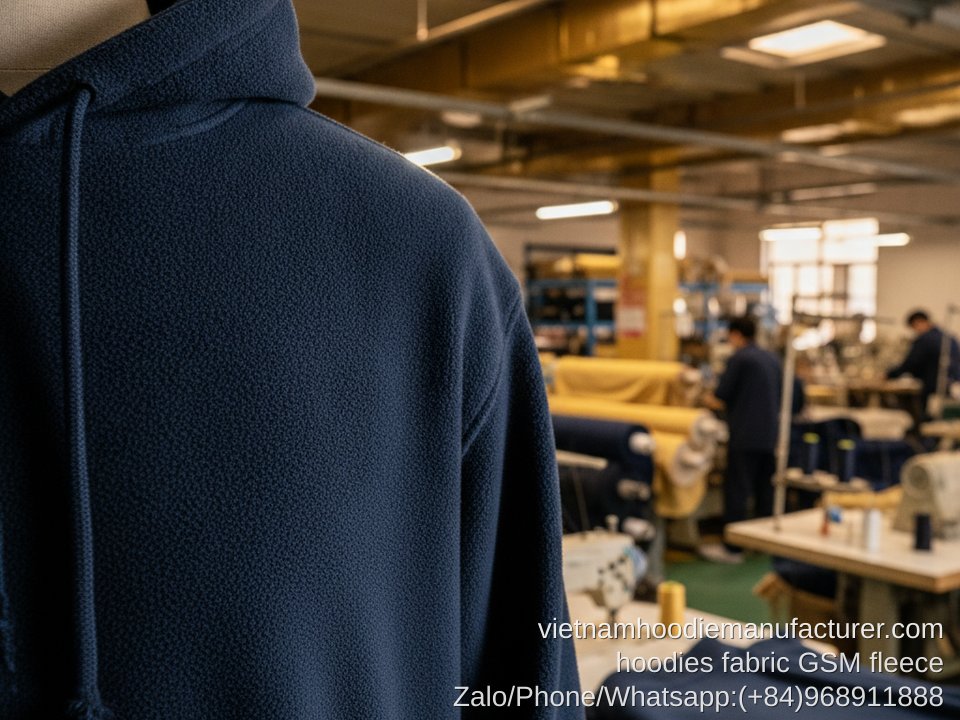
Hoodies Fabric Guide: GSM, Fleece Types, Cotton & Performance Blends
Selecting the right fabric is paramount when sourcing custom hoodies. The material directly impacts a hoodie's feel, durability, warmth, and overall perceived value. Understanding fabric weights, specifically hoodies fabric GSM fleece, alongside different fleece types and cotton blends, empowers brands to make informed decisions that align with their target market and product vision. This guide will navigate you through the essential fabric considerations for your next hoodie production run.
At Vietnam Hoodie Manufacturer, operated by Gold Garment in Ho Chi Minh City, we understand that the foundation of a great hoodie lies in its material. Our expertise in hoodies fabric GSM fleece ensures that whether you're seeking ultimate comfort or rugged durability, we can source or produce the ideal fabric for your needs. We offer factory-direct pricing and a competitive MOQ of 100 pcs, making high-quality custom hoodies accessible for brands worldwide.
The journey of creating exceptional custom apparel often begins with understanding the nuances of textile sourcing. As shown by our detailed guide on Vietnam textile sourcing, the quality and availability of raw materials play a critical role in the final product. This is why we place such emphasis on educating our clients about fabric choices.
Understanding Fabric Weight: The Significance of GSM
GSM, which stands for Grams per Square Meter, is the standard unit of measurement for fabric weight. It indicates how much a square meter of fabric weighs. For hoodies, GSM is a crucial indicator of thickness, warmth, and drape. A higher GSM generally means a heavier, warmer, and more substantial hoodie, while a lower GSM indicates a lighter, more breathable fabric.
The ideal GSM for your custom hoodies depends on their intended use and the climate of your target market. For instance, lightweight hoodies for warmer climates or activewear might range from 180-240 GSM. Mid-weight options, popular for everyday wear and transitional seasons, typically fall between 250-320 GSM. Heavyweight hoodies, designed for extreme cold or a premium, substantial feel, can range from 320 GSM up to 500 GSM or even more.
This hoodie GSM guide is essential for managing expectations and ensuring your finished product meets the desired quality and feel. Understanding GSM allows for precise communication with your manufacturer and helps in forecasting production costs and material suitability.
Exploring Fleece Types for Your Hoodies
Fleece is a ubiquitous fabric for hoodies due to its characteristic softness, warmth, and insulating properties. However, not all fleece is created equal. Different types of fleece offer distinct textures and performance characteristics.
1. Cotton Fleece
Cotton fleece is a popular choice, celebrated for its natural softness, breathability, and hypoallergenic qualities. It's typically made by brushing the underside of a woven or knitted fabric, creating a fuzzy, plush surface. Cotton fleece offers a comfortable and familiar feel, making it a staple for casual and everyday hoodies.
Pros of Cotton Fleece:
- Softness and Comfort: Inherently comfortable against the skin.
- Breathability: Allows air circulation, preventing overheating.
- Hypoallergenic: Suitable for sensitive skin.
- Biodegradable: A more environmentally friendly option compared to synthetics.
Cons of Cotton Fleece:
- Absorbs Moisture: Can become heavy and lose insulation when wet.
- Shrinkage: Prone to shrinkage if not pre-shrunk or cared for properly.
- Slower Drying: Takes longer to dry compared to synthetic blends.
2. Polyester Fleece
Polyester fleece is a synthetic alternative known for its durability, moisture-wicking capabilities, and resistance to shrinking and stretching. It's often lighter than cotton fleece and dries much faster, making it a practical choice for activewear or humid conditions.
Pros of Polyester Fleece:
- Durability: Resists wear and tear, maintaining its shape.
- Moisture-Wicking: Pulls moisture away from the body, keeping you dry.
- Quick Drying: Dries significantly faster than cotton.
- Lightweight: Offers warmth without excessive bulk.
Cons of Polyester Fleece:
- Less Breathable: Can feel warmer and less airy than cotton.
- Static Electricity: Prone to static cling.
- Environmental Impact: Synthetic fibers are not biodegradable and can contribute to microplastic pollution.
3. Cotton-Polyester Blends
The most common and often the best of both worlds, cotton-polyester blends offer a balance of comfort, durability, and performance. The ratio of cotton to polyester can be adjusted to achieve specific properties. A common blend is 80% cotton and 20% polyester, which provides the softness of cotton with the added strength and reduced shrinkage of polyester.
Pros of Cotton-Polyester Blends:
- Balanced Properties: Combines the softness of cotton with the durability of polyester.
- Reduced Shrinkage: More stable than 100% cotton.
- Good Durability: Resists wrinkles and holds shape well.
- Versatility: Suitable for a wide range of applications.
Cons of Cotton-Polyester Blends:
- Breathability Varies: Less breathable than pure cotton, depending on the blend ratio.
- Moisture Absorption: Still absorbs some moisture, though less than pure cotton.
The Role of Cotton in Hoodie Fabrics
Cotton remains a cornerstone in hoodie manufacturing. Its natural fibers provide unparalleled softness and breathability, making it a preferred choice for brands prioritizing comfort and a premium feel. 100% cotton hoodies offer a classic, natural aesthetic and are excellent for everyday wear. custom hoodie manufacturer Vietnam.
However, when considering fleece vs cotton hoodies, it’s important to note that 100% cotton fleece can be prone to shrinkage, especially after washing. To mitigate this, manufacturers often use pre-shrunk cotton or incorporate a percentage of polyester. The quality of cotton also matters; ring-spun cotton, for example, is known for its superior softness and durability compared to conventional cotton.
For brands looking to offer eco-conscious options, organic cotton is an excellent choice. It is grown without harmful pesticides and synthetic fertilizers, aligning with sustainable fashion trends. Understanding these distinctions helps in selecting the right cotton for your brand's values and customer expectations.
Performance Fabric Hoodies: Beyond Traditional Comfort
For athletic brands, athleisure lines, or products designed for intense activity, performance fabric hoodies offer specialized benefits. These fabrics are engineered to enhance comfort and functionality during physical exertion.
1. Moisture-Wicking Fabrics
Performance blends often feature advanced synthetic fibers like polyester or nylon, designed to pull sweat away from the skin and transport it to the fabric's surface, where it can evaporate quickly. This keeps the wearer dry and comfortable, preventing the chilling effect of damp clothing.
2. Breathable and Quick-Drying Materials
These fabrics are engineered for optimal airflow, preventing heat buildup during strenuous activities. Their quick-drying properties are crucial for maintaining comfort and preventing the garment from becoming heavy and uncomfortable when wet.
3. Stretch and Flexibility
Many performance hoodies incorporate spandex (elastane) into their blends. This provides four-way stretch, allowing for a full range of motion without restriction. This is essential for athletes and anyone engaged in dynamic movements.
When sourcing performance fabric hoodies Vietnam, look for manufacturers experienced in working with these technical materials. Gold Garment, based in Ho Chi Minh City, has extensive experience in producing high-quality activewear and performance apparel, ensuring your technical specifications are met with precision.
Choosing the Right Fabric for Your Brand
The decision on fabric type, weight (GSM), and blend should be driven by your brand's identity, target audience, and the intended use of the hoodies. Consider the following:
- Target Audience: Are you aiming for casual comfort, athletic performance, or a fashion-forward statement?
- Climate: Will the hoodies be worn in cold, warm, or transitional weather?
- Durability Requirements: How much wear and tear is the hoodie expected to endure?
- Brand Values: Do you prioritize sustainability, luxury feel, or functional performance?
As a leading custom hoodie manufacturer Vietnam, we can guide you through these choices. We work with a wide array of fabrics, from premium cottons and soft fleeces to advanced performance blends, ensuring your vision is realized. Our commitment to quality and factory-direct pricing means you receive exceptional value.
Exploring different styles and functionalities is also key to a successful hoodie line. For inspiration, you might find our guide on Hoodie Styles Guide: Pullover, Zip-Up, Oversized, Cropped & Performance insightful.
Frequently Asked Questions
Q: What is the most common hoodie fabric weight (GSM)?
A: The most common GSM for hoodies typically falls between 280 and 320 GSM. This range offers a good balance of warmth, weight, and comfort for everyday wear, making it a versatile choice for many brands.
Q: How do I choose between fleece and cotton for my hoodies?
A: If ultimate softness, breathability, and a natural feel are priorities, 100% cotton is an excellent choice. For enhanced durability, faster drying times, and less shrinkage, cotton-polyester blends or pure polyester fleece are often preferred. Consider your target market's preferences and the intended use.
Q: Can Vietnam Hoodie Manufacturer source sustainable fabric options?
A: Yes, we can source and work with sustainable fabric options, including organic cotton and recycled polyester. We are committed to helping brands create apparel that aligns with their environmental values. Discuss your specific needs with our team.
Q: What is the typical MOQ for custom hoodies at your factory?
A: Our Minimum Order Quantity (MOQ) for custom hoodies is 100 pieces per style. This allows us to cater to both emerging brands and established businesses looking for bulk production at factory-direct pricing. Learn more about our production capabilities in our hoodies MOQ Guide.
By understanding the intricacies of hoodie fabrics, you can ensure your custom apparel meets the highest standards of quality and customer satisfaction. As a dedicated manufacturer, we are here to support your sourcing journey. Brands also partner with custom cap manufacturer Vietnam for complementary headwear.
📩 Request a Free Quote — Response Within 5 Minutes
🌎 Website: vietnamhoodiemanufacturer.com
Factory-direct pricing · MOQ from 100 pcs/style · Sample development · Worldwide shipping


